

In data science and analytics, the ability to communicate insights clearly is just as important as uncovering them. While raw data and complex charts can offer valuable information, they often fail to connect with the audience without proper context. This is where storytelling becomes essential in data visualization.
It connects numerical data with comprehension, turning information into engaging stories. To excel in these essential skills, think about signing up for a Data Science Course in Trivandrum at FITA Academy, where experienced instructors will assist you in transforming data into impactful narratives.
Why Storytelling Matters in Data Visualization
Storytelling helps bring data to life. It takes graphs, charts, and statistics and places them into a meaningful framework. Without a story, a visualization is simply a collection of visual elements. With a story, it becomes a tool for engagement, persuasion, and action.
Audiences respond better to stories than to data alone. A well-structured narrative allows viewers to understand what the data means, why it matters, and how it connects to the bigger picture. Whether you’re presenting to stakeholders, writing a report, or sharing insights online, storytelling can make your message more impactful.
The Elements of a Good Data Story
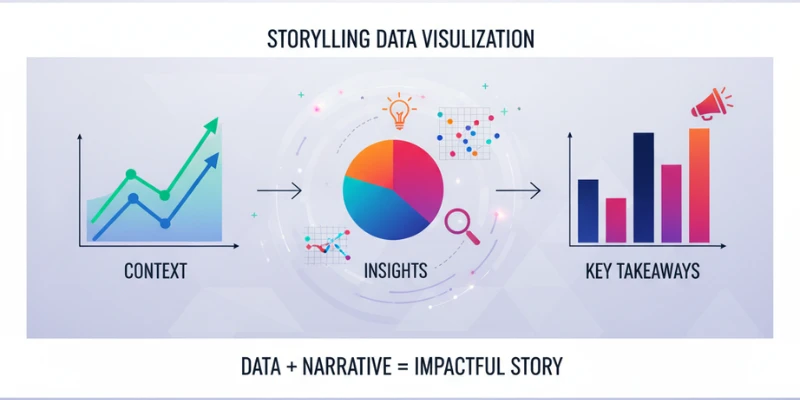
A strong data story usually has three main components: context, insights, and a clear takeaway.
- Context sets the scene. It tells your audience what the data is about and why it was collected. Providing background helps people who are unfamiliar with the topic follow along without confusion. If you want to learn how to effectively set context and tell compelling data stories, consider enrolling in a Data Science Course in Kochi to build a strong foundation.
- Insights are the discoveries found within the data. These are the patterns, trends, or anomalies that are important. Highlighting these points ensures the audience focuses on what truly matters.
- Takeaways give direction. They tell the audience what to do next or how to interpret the findings. Without this, even the most beautiful visualization can fall flat.
By combining these three elements, a data story becomes informative and memorable.
Creating a Narrative Flow in Visualizations
Similar to any great narrative, a data narrative needs to consist of a start, a central part, and a conclusion. Start by introducing the problem or question the data is trying to answer. Next, guide your audience through the findings, using visual elements to support your points. Finally, conclude with a strong insight or recommendation.
Each part of the visualization should contribute to the overall narrative. Avoid clutter or unnecessary details that distract from the main message. Use titles, subtitles, and captions to guide the viewer through the data in a logical order.
The Power of Emotion in Data Storytelling
One often overlooked aspect of storytelling in data visualization is the emotional impact. While data is logical, stories are emotional. Combining both can lead to deeper engagement. To explore how to create such impactful visual stories, joining a Data Science Course in Pune can provide you with the skills to connect data and emotions effectively.
For example, if your visualization is about a social issue, connect it to real-life situations or individuals. This helps humanize the data and creates a stronger emotional response. Even in business reports, tying data to goals or challenges can help decision-makers feel more connected to the outcomes.
When your audience cares about the data, they are more likely to remember it and take action.
Choosing the Right Visuals for Your Story
Selecting the appropriate visual format is a critical part of storytelling. A bar chart may work well for comparisons, while a line graph might better show trends over time. Don’t choose visuals just because they look impressive. Pick ones that clearly represent your message and support the flow of the story.
Color, layout, and typography also influence how a story is perceived. Use consistent and intentional design choices to guide attention and emphasize key points.
Turning Data into Impact
Storytelling in data visualization is not about decorating the data. It is about enhancing its meaning. By shaping your visualizations around a clear narrative, you can turn complex information into a powerful communication tool. To learn how to craft such meaningful stories with data, consider enrolling in a Data Science Course in Chandigarh.
Whether you are presenting to a boardroom or publishing a report online, remember that your audience wants more than just numbers. They want to understand the story behind the data and it is your job to tell it well.
Also check: Personalized Marketing with Data Science: How It Works